

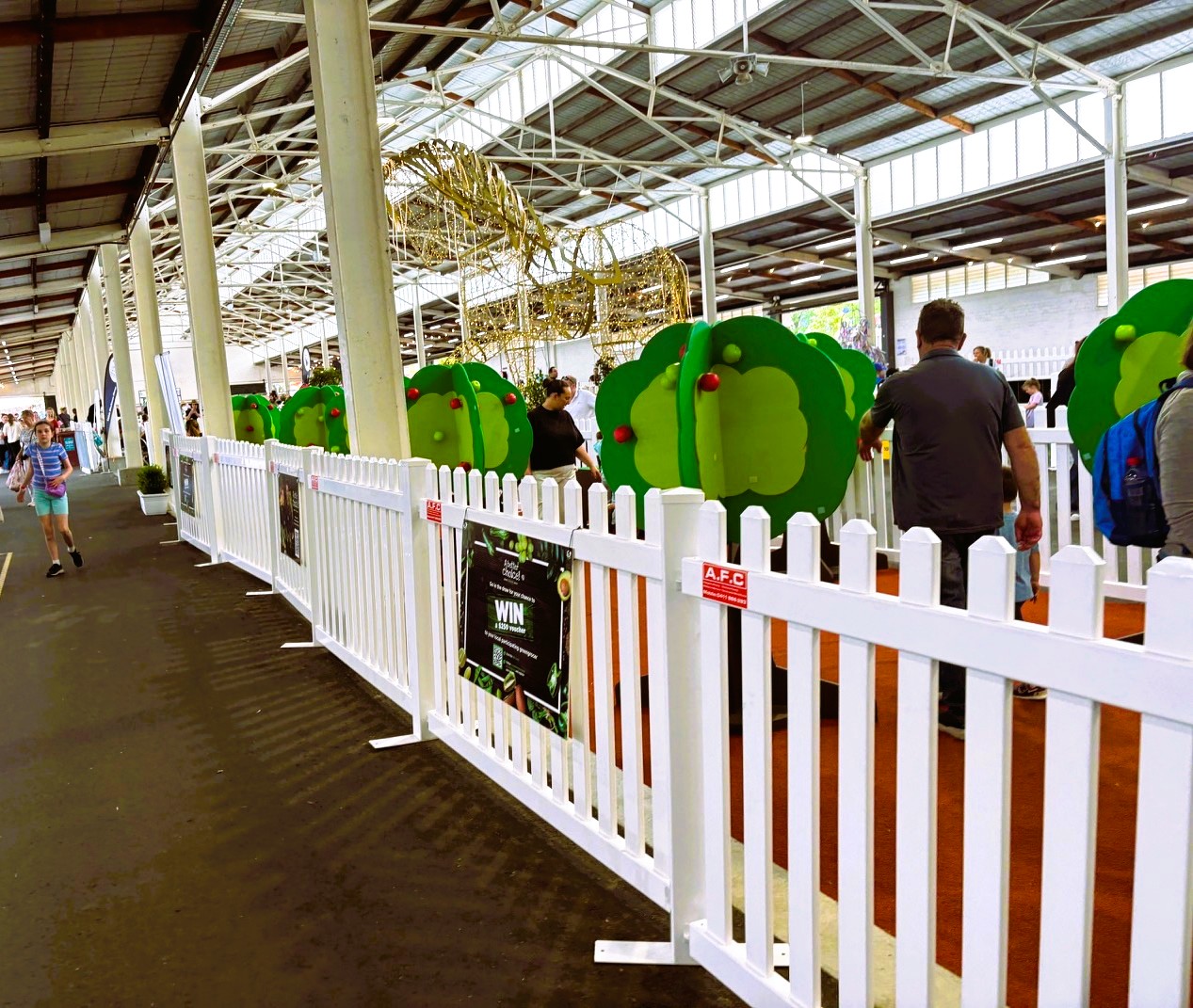
Walk past any construction site, major renovation, or public infrastructure project, and you will almost certainly see it: a solid barrier running along the perimeter, keeping the public away from the work happening on the other side. That barrier has a name: temporary hoarding.
It is one of those things most people work past every day without giving much thought to, yet it plays a genuinely important role in how construction projects run safely and efficiently. If you are planning a build, managing a site, or simply want to understand what is temporary holding and why it is important, this article covers everything you need to know.
What Is Temporary Hoarding?
Temporary hoarding is a physical barrier system erected around the construction, demolition, or renovation site for the duration of a project. Unlike permanent fencing, hoarding is designed to be installed quickly, removed neatly, and reused across multiple projects. It creates a defined boundary between active work zones and the surrounding public or private spaces.
The word “hoarding” comes from an old construction tradition: wooden boards used to enclose building sites date back centuries. Today, the concept is the same, but the materials and systems have evolved significantly. Modern hoarding solutions range from treated timber panels to heavy-duty steel systems, and they serve purposes that go beyond simply marking a boundary.
Temporary hoarding is a standard requirement on construction projects across Australia, governed by local council regulations and workplace health and safety legislation. It is a fundamental part of responsible site management.
Why Temporary Hoarding Is Important
Public Safety
Keeping people safe is the most important function of temporary hoarding. Construction sites are hazardous environments, with falling objects, heavy machinery, open excavation, and unstable structures all presenting real risks to anyone who shouldn’t be there. Hoarding creates a physical barrier that keeps members of the public, particularly children, away from the hazards without any ambiguity.
Site Security
A well-installed hoarding system significantly reduces the risk of theft, vandalism, and unauthorized access. Solid hoarding panels, particularly metal systems, make it considerably more difficult for unauthorised individuals to access the site outside of working hours.
Privacy & Visual Screening
Not every neighbour or pedestrian wants to watch a demolition or major construction unfold over months. Temporary hoarding provides visual screening that maintains a degree of privacy for both the site and surrounding properties. This is particularly relevant in residential areas and high-traffic urban environments where aesthetics are important.
Dust & Noise Control
Solid hoarding panels act as a partial barrier against dust and debris leaving the site. While hoarding is not a complete solution to construction dust, it reduces the amount of airborne material reaching footpaths, neighbouring properties, and public spaces. Some systems also offer modest noise attenuation, which is appreciated in sensitive locations.
Branding & Advertising Opportunities
Many developers and builders strategically use the substantial amount of space provided by temporary hoarding. They may display project renders, brand messaging, safety information, or community updates.
Common Applications of Temporary Hoarding
Temporary hoarding is used across a much wider range of settings than most people realise. The most obvious examples are large-scale construction projects. But hoarding is also used for:
- Retail and shopping centre fit-outs, where work happens while the surrounding centre stays open.
- Road and footpath works in busy urban environments.
- Event spaces requiring temporary enclosure or crowd management.
- Demolition projects where failing debris is a specific concern.
- Heritage and restoration projects that require controlled access and environmental protection.
- Mining and industrial sites where hazardous material containment is critical.
Hoarding provides a solution in any situation where a secure boundary is needed between the work zone and the public or surrounding property.
Types of Temporary Hoarding Systems
There are many types of temporary hoarding systems. They are generally classified by their material and structural design.
Timber Hoarding
Timber hoarding is a traditional and cost-effective option commonly used for projects that need a solid, opaque barrier. Builders typically use treated pine or plywood panels fixed to timber or steel frames. It provides strong site separation and can display signage or branding, although it is heavier and reusable than modern systems.
Metal Hoarding Panels
Steel and aluminium hoarding panels are widely used on commercial construction sites because they are durable, reusable, and quick to install. These systems create a clean, professional appearance and adapt easily to different site layouts. They also work well alongside temporary fencing for additional perimeter security and flexible site management.
Mesh Hoarding
Mesh hoarding uses wire panels instead of solid surfaces, allowing airflow and visibility while still marking site boundaries clearly. Contractors often use it for roadworks, outdoor projects, and lower-risk areas where full privacy is unnecessary. Mesh systems are lightweight and easy to handle but provide less debris protection than solid hoarding.
Internal Hoarding Systems
Internal hoarding systems help separate active construction areas inside buildings such as shopping centres, hotels, and offices. These panels create dust barriers, protect surrounding spaces, and maintain a neat appearance for customers or occupants while renovation or maintenance work continues.
Factors That Affect Temporary Hoarding Selection
Choosing the right temporary hoarding system depends on more than budget alone. Project duration, site location, required height, and local council regulations all influence the best option for a site. High-traffic urban areas may require stronger, taller barriers with additional safety features. Consistency in branding is also important if the panels will display signage or graphics. For many projects, reusable rental systems offer a practical balance between durability, flexibility, and cost-effectiveness.
Frequently Asked Questions (FAQs)
What is temporary hoarding used for?
Temporary hoarding is used to create a secure, defined barrier around construction, demolition, renovation, and event sites. Its primary purpose is to protect public safety, securing the site against unauthorised access, providing visual screening, and, in many cases, carrying branding or project information for the surrounding community.
What materials are used for temporary hoarding?
The most common materials are treated timber, steel panels, aluminium panels, and wire mesh. Each material suits different project types, budgets, and site conditions. Steel and aluminium systems are the most widely used for commercial construction due to their durability and reusability.
How long does temporary hoarding last?
Quality steel and aluminium hoarding systems can last many years with proper maintenance, making them suitable for rental and reuse across dozens of projects. Timber hoarding has a shorter effective lifespan, typically one to three projects under certain conditions.
Is temporary hoarding required by law?
In most Australian states and territories, yes. Local council regulations and Work Health and Safety (WHS) legislation require appropriate site fencing and hoarding on construction projects, particularly where work is adjacent to public areas. Specific requirements vary by location, project type, and proximity to public spaces.
Can temporary hoarding be customised with branding?
Absolutely. Hoarding panels are commonly wrapped with printed vinyl graphics, painted, or fitted with signage panels. Developers frequently use hoarding as a branding opportunity, displaying project names, renders of the completed building, developer messaging, and community information. It’s a cost-effective way to make a positive impression during what can otherwise be a disruptive construction period.